
Three Pieces of Video Gear I Want to Try from NAB 2026
Every year NAB seems to produce a few bits of kit that make me sit up and pay attention. Some of it is obviously exciting — big cinema cameras, strange rigs, lenses that cost more than a small family car — but often the things that interest me most are the products that could genuinely make a difference to the way I work.
That is really what this post is about.


I am not necessarily looking at these three items as things I am definitely going to buy. That would be a very dangerous path to go down, especially if you already have a cupboard full of camera gear that occasionally looks back at you with judgement. But as a photographer and videographer, I am always interested in tools that could make filming easier, faster, more reliable or simply improve the quality of the final output.
Source: CVP Via YouTube
After watching some of the coverage coming out of NAB 2026, there are three pieces of gear that have really caught my attention: the DJI Osmo Pocket 4, the RØDELink II wireless system and the EIZO ColorEdge CS3200X monitor.
They are three very different products, but they all solve very real problems in a working photo and video setup.
1. DJI Osmo Pocket 4
I have always had a bit of a soft spot for the DJI Osmo Pocket range. On paper, it is one of those products that can easily be dismissed as a “content creator” camera, but in reality, I think it is much more useful than that.
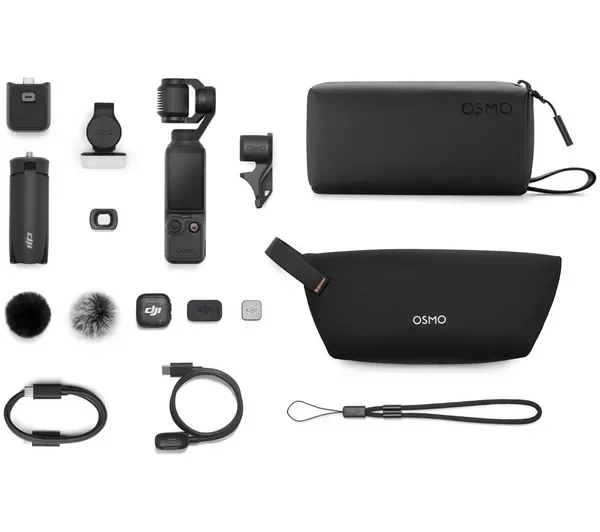
The new Osmo Pocket 4 looks particularly interesting because DJI seems to have pushed it further into serious video territory. The headline feature for me is the 1-inch CMOS sensor, which immediately makes it feel like a more capable tool for real-world shooting. Small cameras are brilliant when they are convenient, but they can fall apart quite quickly when the light drops or when you are working in high contrast situations. So the idea of having something this small with 14 stops of dynamic range and 10-bit D-Log is genuinely exciting.
For the type of work I do, I can see this being incredibly useful as a behind-the-scenes camera, a quick establishing shot camera, or even something to use when I want to travel light but still capture decent quality footage. I am often trying to balance image quality with practicality, and that is where products like this can really earn their place.
Source: Potato Jet via YouTube
I do not always want to pull out a larger camera, rig it up, balance it, add a monitor, sort audio, check settings and make a whole event out of capturing a simple shot. Sometimes I just need something small, quick and reliable that still gives me footage I am happy to put into an edit.
The 3-axis stabilisation is obviously a huge part of the appeal too. I am not expecting it to replace a proper gimbal setup, but if I can get smooth, usable movement from something that fits in a small bag, that is a big win. I can imagine using this for travel videos, studio b-roll, YouTube inserts, product shots and even quick social media content.
There is always a danger with small cameras that you use them because they are easy, rather than because they are good. But from what DJI is promising with the Osmo Pocket 4, it feels like this could be one of those cameras that is both easy and genuinely useful.
2. RØDELink II Wireless System
Audio is one of those areas where I have become increasingly aware of how important reliability is. You can get away with slightly imperfect lighting or a camera angle that is not quite ideal, but bad audio can ruin a video almost instantly.
That is why the RØDELink II has caught my attention.
I already use wireless audio for a lot of my video work, particularly when filming interviews, talking head content and corporate projects. The problem is that wireless systems can be one of the more stressful parts of a shoot. You are dealing with signal, interference, batteries, mic placement, levels and backup options — all while trying to concentrate on the actual content of the shoot.
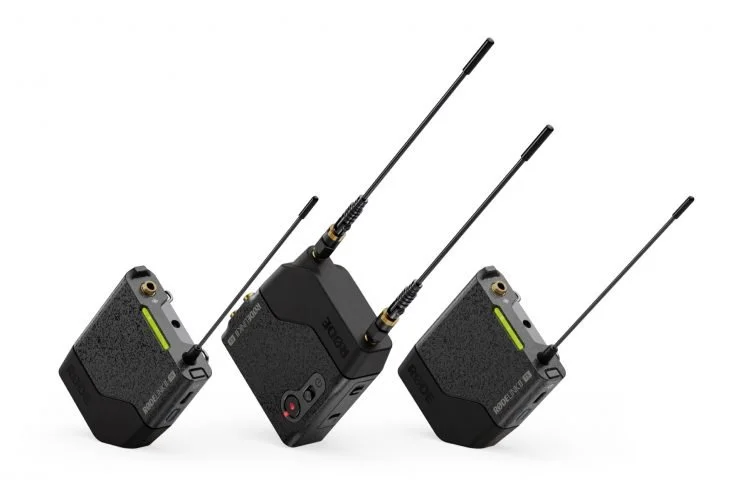
The interesting thing about the RØDELink II is that it appears to be a much more serious professional system than some of the smaller compact wireless kits we have seen over the past few years. Those smaller systems absolutely have their place — and I use that kind of gear myself — but there are times when you want something that feels a bit more robust and built for demanding environments.
The fact that this is a UHF system is interesting, especially with RØDE now being part of the same wider group as Lectrosonics. I am not going to pretend to be an audio engineer, but I do know that if I am filming an important interview, I want confidence that the audio is going to work.
Source: RODE Via YouTube
The features that really stand out to me are dual-channel operation, 32-bit float onboard recording and timecode I/O. That combination makes a lot of sense for the kind of work where you cannot afford to lose a take. Being able to record directly on the transmitter as a backup is a massive safety net, and 32-bit float gives you a bit more breathing room if levels are not perfect.
Timecode is another feature that becomes more appealing the more video work you do. If you are working with multiple cameras, separate audio and a decent amount of footage, anything that makes syncing easier in post is worth paying attention to.
I would be really interested to try the RØDELink II in a proper corporate interview setup. Not just a quick test in a quiet room, but a real shoot where there are all the usual variables — people moving around, Wi-Fi everywhere, reflective rooms, time pressure and the mild panic that comes with knowing you only get one chance to capture the audio properly.
If it performs well in that environment, it could be a very useful addition to a professional kit bag.
3. EIZO ColorEdge CS3200X Monitor
This is probably the least “exciting” item on the list to most people, but it might actually be the one that could make the biggest difference day to day.
I spend a lot of time editing. Whether it is photography, video, YouTube content, client work, colour grading, retouching or preparing images for print, the monitor is one of the most important parts of the entire setup. It is also one of those things that is very easy to neglect.
A camera is exciting. A new lens is exciting. A monitor is… well, a monitor.
But the more you work professionally, the more you realise that having a reliable display is absolutely essential. If you cannot trust what you are looking at, everything else becomes guesswork.
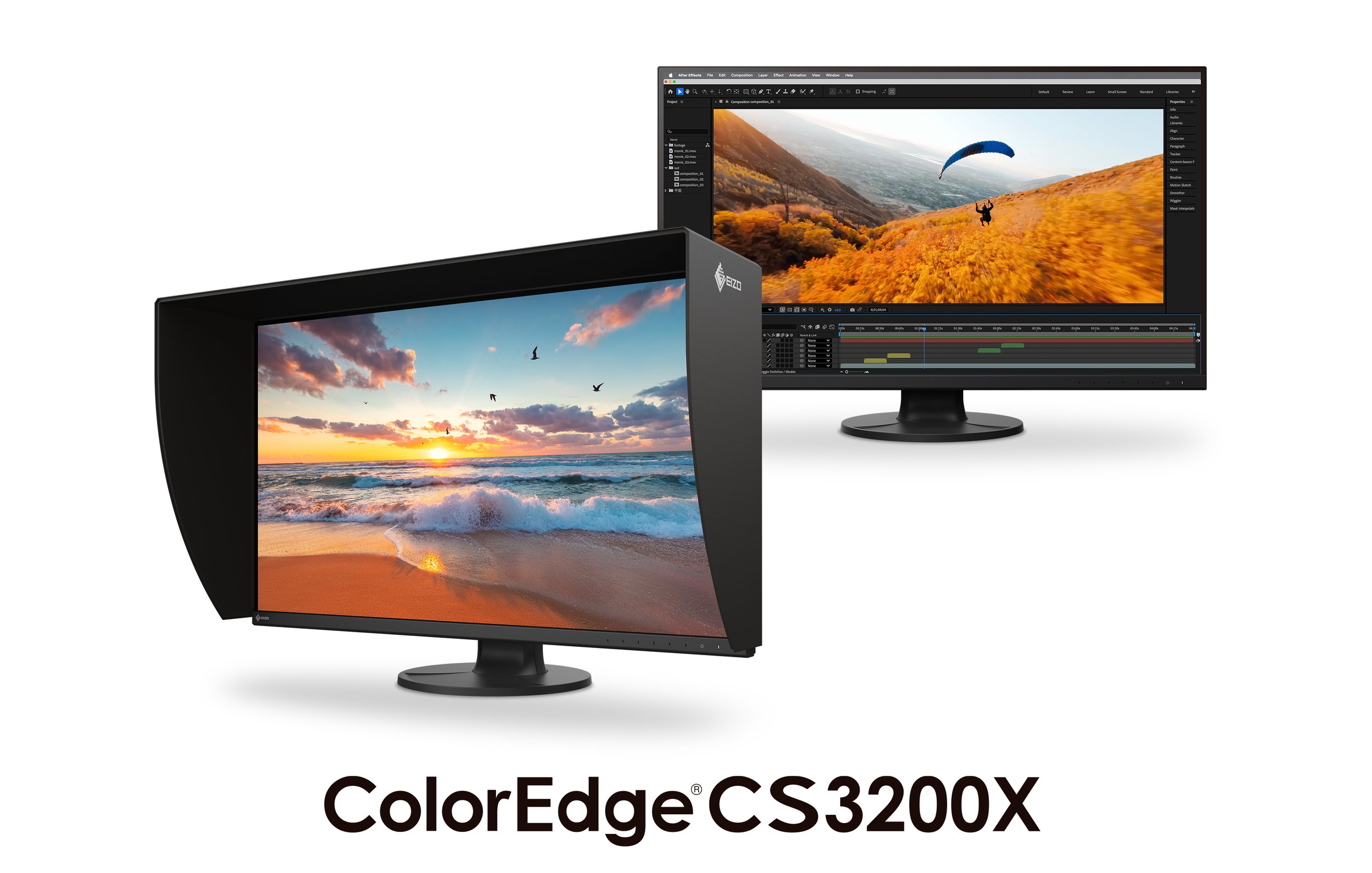
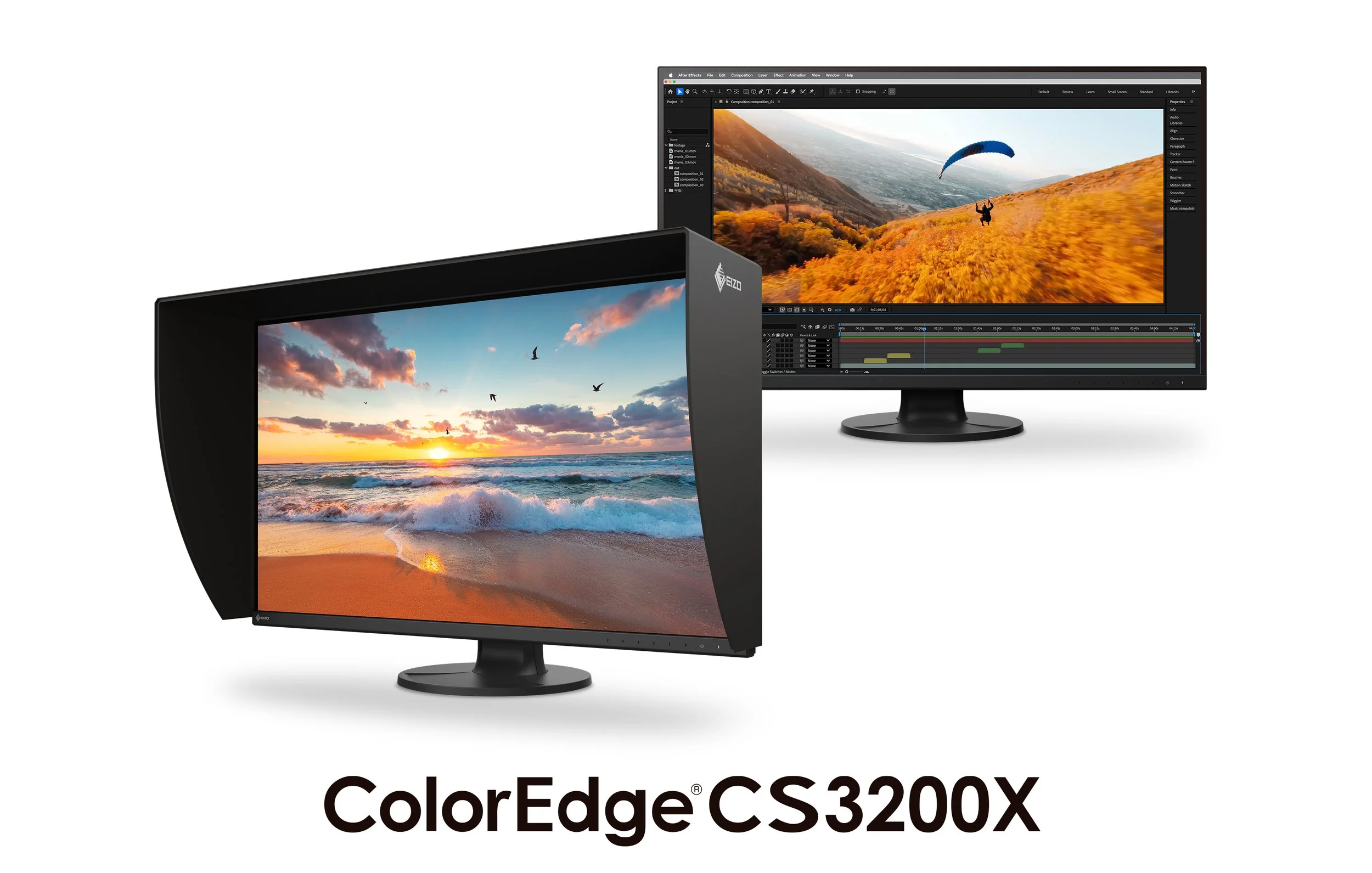
The EIZO ColorEdge CS3200X looks like a really interesting option because it brings a large 31.5-inch 4K display into the ColorEdge CS range. That screen size is very appealing for both photo and video work. I like the idea of having more room for timelines, panels, scopes, layers and all the little bits of software clutter that slowly take over your life.
For photography, the wide colour gamut and focus on colour accuracy are obviously key. For video, the support for workflows like DCI-P3, BT.709, HLG and PQ makes it feel like something that could sit nicely between stills and moving image work. That is important to me because I do not really operate in one world anymore. My work is a mix of photography, videography, YouTube, commercial content and personal projects, so having a monitor that supports that mixed workflow is really appealing.
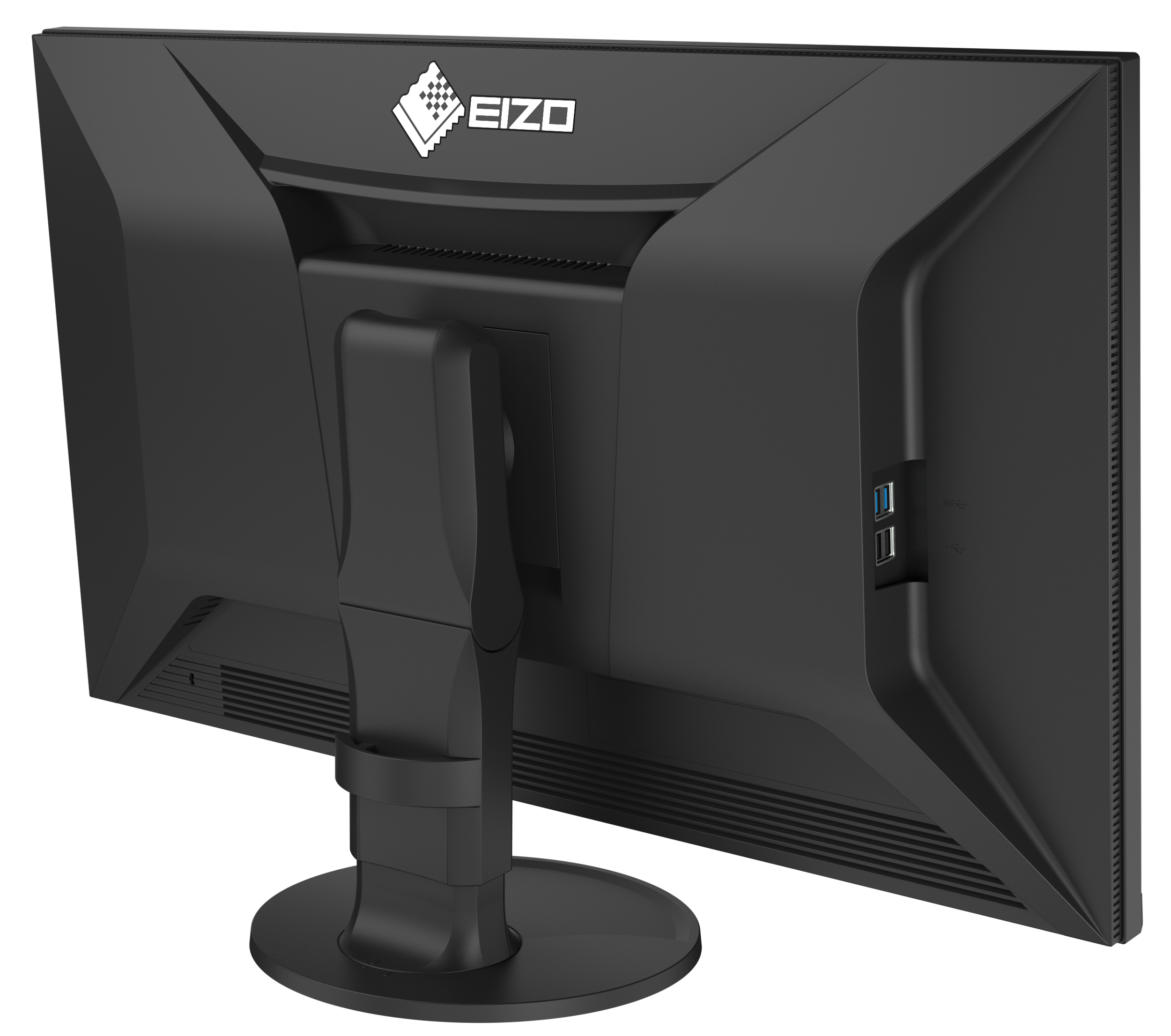
I am also pleased to see that it includes a shading hood. Again, not the most glamorous feature in the world, but anything that helps reduce reflections and creates a more controlled editing environment is useful. I edit in real spaces, not perfect grading suites, so practical touches like that matter.
Would it be overkill for some people? Almost certainly.
But if you are producing paid photo and video work, especially where colour consistency matters, then a proper monitor starts to look less like a luxury and more like an investment.

Why These Three NAB 2026 Releases Stand Out To Me
What I like about these three products is that they each solve a different problem.
The DJI Osmo Pocket 4 is about speed, portability and capturing good footage without turning every shot into a full production.
The RØDELink II is about confidence and reliability in audio, which is an area I am always looking to improve.
The EIZO ColorEdge CS3200X is about trusting the final image and making the editing process more accurate and enjoyable.
None of these products are magic solutions. They will not make bad ideas good, they will not fix poor planning and they certainly will not remove the need to actually know what you are doing. But the right tools can make a real difference, especially when they remove friction from the process.
That is why I enjoy looking at new gear from shows like NAB. Not because I need more things, but because it helps me think about where my own workflow could improve.
And that is probably the most useful part of making a list like this. It is not just a shopping list. It is a way of asking: where are the weak points in my current setup, and what would help me produce better work?
For me, in 2026, those weak points are faster capture, more reliable audio and a more trustworthy editing setup.
So yes, I would very much like to get my hands on the Osmo Pocket 4, the RØDELink II and the EIZO ColorEdge CS3200X.
Whether my bank account agrees is another matter entirely.

📸 Are you a photography/videography brand looking to showcase you products? Take a look at my Media Pack and Contact Me to discuss how we can collaborate on a sponsored review.
Posts you might also like…


About the Author - Ross Jukes is a professional Photographer and Videographer with over a decade of experience. Working in both Digital and Analogue formats, Ross has worked with international clients, had his worked published numerous times and exhibited his work extensively. With a passion for all things photographic, Ross combines his experience, enthusiasm and dedication to his art form to create engaging and educational content for the photographic community.
Disclaimer: All links to Amazon UK/US are affiliated links - you will still pay the same price but I will receive a small commission. All information provided in this blog is intended either for educational or entertainment purposes and is accurate to the best knowledge of the author. However, further research/professional advice should be sort before making purchases/implementing any advice given and no responsibility is taken by the author or parties mentioned here within.
